


If you’re new to the colorful world of tufting, you might be wondering which tools you need to get started. In this guide, we’ll introduce you to the essential tools every beginner should have, so you feel well-prepared to successfully complete your first tufting project.
1. Tufting Machine
The tufting machine is the star of the show. Whether you choose a cut pile or loop pile gun, it brings your designs to life. For beginners, the cut pile gun is often recommended as it creates a soft, textured finish and simplifies the process at the start.
2. Yarn
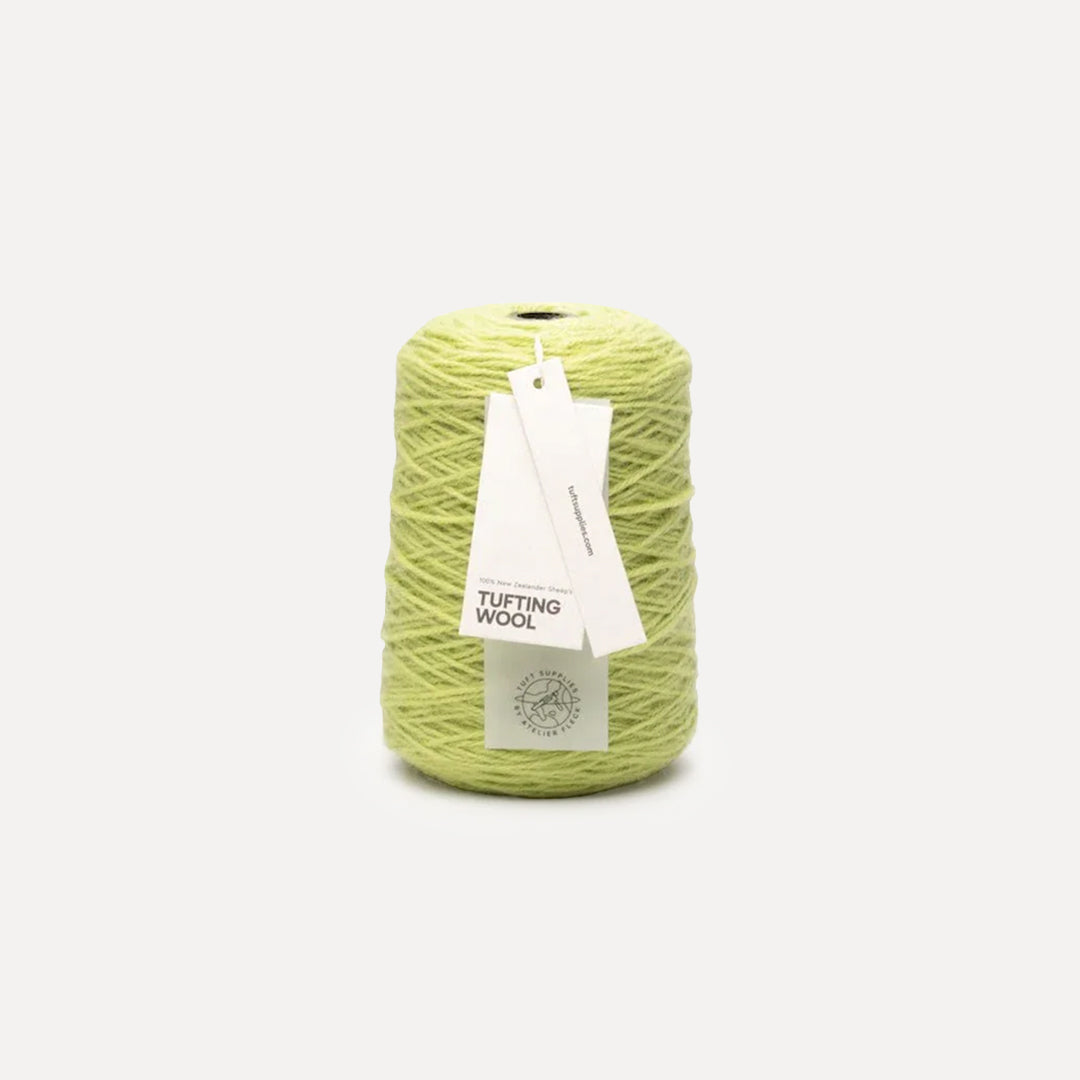
You’ll need yarn that is compatible with your tufting gun. Our acrylic yarn is a popular choice because it’s affordable and available in many colors. If you want a high-quality, durable result, our New Zealand tufting wool is just the right choice for your projects. It’s a good idea to try out a few different options to see what works best for you.
3. Tufting Frame
A sturdy frame keeps the fabric tight while you work. You can build a simple wooden frame at home that fits your space, or purchase one from our shop. Make sure it’s stable enough to hold the fabric in place without slipping or sagging. We also offer aluminum frames that can be disassembled and stored after use. If you plan to build a larger frame, please note the fabric sizes you can purchase. Our maximum fabric size is approximately 3x3 m. That means the frame can be about 280–290 cm in size (you’ll need a little extra fabric for stretching).
4. Primary Cloth
The fabric you tuft onto is just as important as the gun or yarn. Look for a sturdy, loosely woven material like primary tufting cloth or monk’s cloth. It should allow the tufting needle to pass through easily without tearing or slipping. We exclusively use the grey tufting cloth because it’s very strong and durable, and it also “forgives” more mistakes. This grey fabric is also used in industrial applications.
5. Scissors and Shears
After you finish tufting, you’ll need sharp scissors and a rug shaver to trim the yarn and clean up the edges. This step can really make your rug look polished and professional.
6. Glue and Backing Fabric
To ensure your rug stays together, apply rug glue or PVC adhesive to the back and attach a non-slip backing fabric. This adds durability.
Additional Tools (Highly Recommended)
- Small projector (to project your design onto the primary fabric)
- Thread snips or small scissors (for trimming stray threads)
- Measuring tape, spirit level, and fabric marker (to outline your design)
- Spray adhesive (for extra hold of the backing fabric)
- Hot glue gun (to secure the backing fabric edges to the primary cloth)
Quick Summary
Here’s a checklist of your essential tufting tools:
- Tufting Maschine
- Suitable yarn
- Strong tufting frame and primary cloth
- Sharp scissors and rug shaver
- Rug adhesive and backing fabric


